
Have you ever noticed how certain colours make you look radiant and fresh, while others leave you appearing tired or washed out? This isn't your imagination. The secret lies in understanding your seasonal colour palette through colour analysis.
Understanding the Foundations of Colour Analysis
Seasonal colour analysis is a proven method that helps you identify which colours harmonise naturally with your unique combination of skin tone, hair colour, and eye colour. When you wear colours from your season, you look healthier, more vibrant, and effortlessly polished. When you wear colours outside your season, you can appear dull, aged, or simply off.
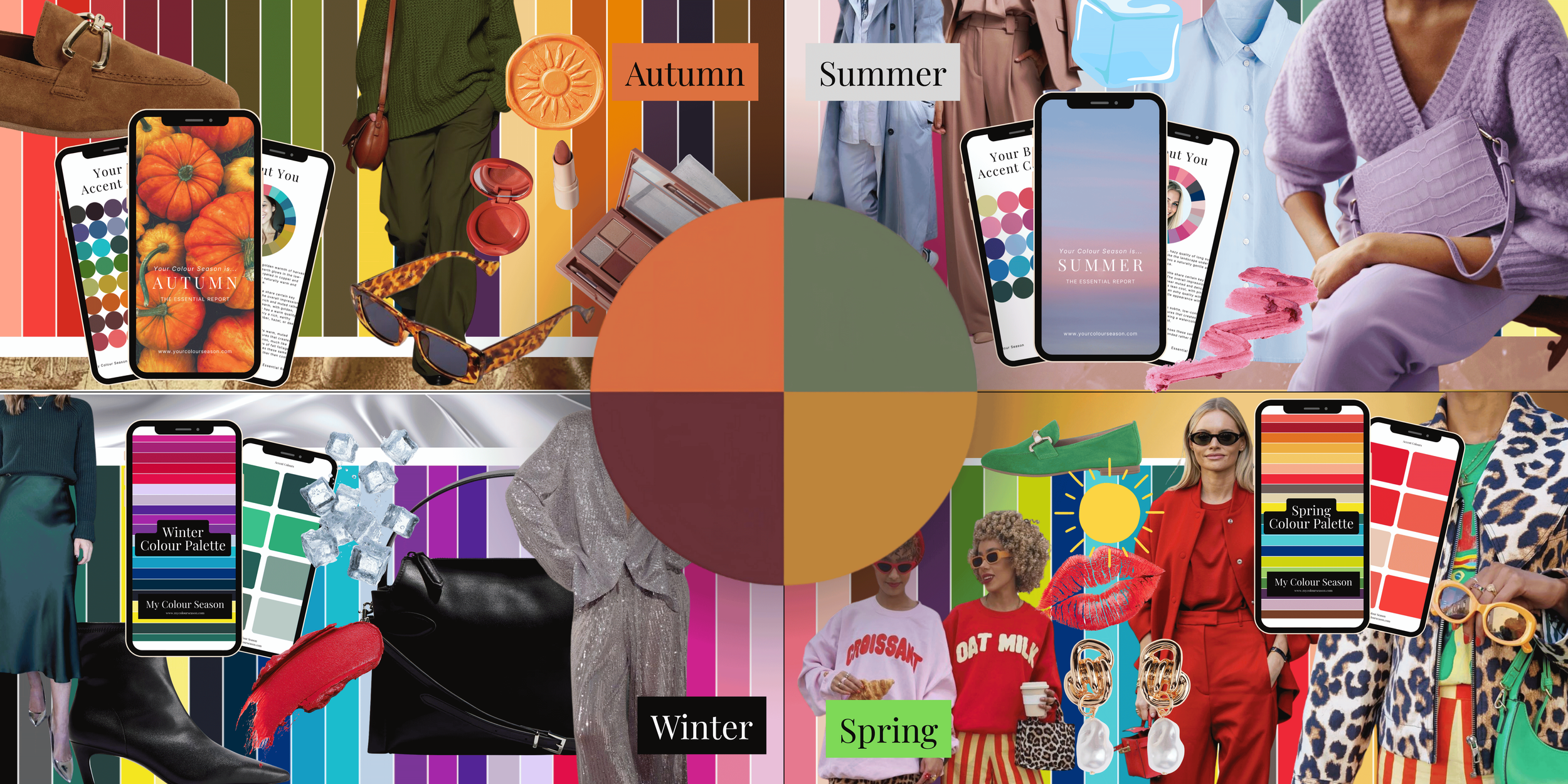
The concept has roots stretching back to impressionist painters of the 19th century, who observed how nature's colours shift dramatically through the seasons. These artists understood that spring brings fresh, warm tints; summer offers gentle, cool tones; autumn displays earthy, rich shades; and winter presents icy, brilliant hues. This observation of natural colour harmony forms the foundation of modern colour analysis.
The 4 Season Method: A Western European Approach
At My Colour Season, we use the classic 4-season method, which categorises people into four distinct colour types: Spring, Summer, Autumn, and Winter. This approach differs from expanded systems like the 12-season or 16-season methods, and it's distinctly different from Korean colour analysis systems.
The 4-season method focuses on two primary dimensions:
Temperature (Undertone): Are your natural colouring features warm (yellow-based) or cool (blue-based)?
Depth (Value): Is your overall natural colouring light or deep?
These two factors create four distinct combinations, each corresponding to a season.
The Four Seasons Explained
Spring: Warm and Light
Spring individuals have a warm, golden quality to their colouring. Think of fresh flowers, bright sunshine, and new grass. Your skin has peachy or golden undertones, your eyes are clear and bright (blue, green, hazel, or light brown), and your hair ranges from golden blonde to light golden brown. Springs look stunning in warm, clear colours like coral, peach, warm yellow, turquoise, and grass green.
Summer: Cool and Light
Summer types embody soft, cool elegance. Imagine misty mornings and delicate pastel flowers. Your skin has pink or blue undertones, your eyes are soft (blue, grey, green, or cool hazel), and your hair is typically ash blonde to cool brown. Summers shine in muted, cool colours like soft pink, powder blue, lavender, and cool grey.
Autumn: Warm and Deep
Autumn colouring is rich, earthy, and warm. Picture golden leaves, harvest fields, and warm firesides. Your skin has warm, golden, or bronze undertones, your eyes are warm (brown, hazel, olive green, or amber), and your hair has golden or auburn tones. Autumns glow in rich, earthy colours like olive green, rust, golden brown, and warm burgundy.
Winter: Cool and Deep
Winter types have striking, high-contrast colouring. Think of crisp snow, deep evergreens, and frosty mornings. Your skin has cool, blue, or pink undertones, your eyes are often dark and bright (brown, black, bright blue, or cool green), and your hair is typically dark brown to black with cool undertones. Winters look magnificent in bold, cool colours like true red, royal blue, emerald green, and pure white or black.
Why This Matters for Your Wardrobe
Understanding your season transforms how you shop and dress. Instead of buying clothes based on trends or guesswork, you'll know exactly which colours enhance your natural beauty. This means:
Fewer wardrobe mistakes and less buyer's remorse
More compliments on your appearance
A more cohesive, versatile wardrobe
Confidence in every outfit you wear
Looking more put-together with less effort
The Difference Between Systems
You may have encountered other colour analysis systems online. Here's how the 4-season method differs:
12 or 16-Season Systems: These divide each main season into subcategories (like Light Spring, True Spring, Warm Spring). While more precise, they can be overwhelming and aren't necessary for most people to look their best.
Korean Colour Analysis: This system often focuses on different criteria, including personal colour theory based on warm/cool and muted/bright combinations, which categorises people differently than Western seasonal analysis.
The 4-season method we use is straightforward, accessible, and highly effective. It's been helping people dress their best since the 1950s, and it remains the gold standard for good reason.
How to Discover Your Season
While there are clues you can observe yourself, like whether gold or silver jewellery looks better on you, or which colours receive the most compliments, accurate colour analysis requires proper assessment.
This involves:
Examining your natural colouring in good natural light
Comparing how different colour temperatures affect your appearance
Assessing the overall harmony between your skin, hair, and eyes
Testing how you respond to colours from different seasonal palettes
At My Colour Season, we provide professional colour analysis delivered conveniently to your inbox. Our trained analyst personally reviews your photos to determine your season, giving you confidence in your results without the need for expensive in-person consultations.
Your Next Step
Discovering your season is the first step toward a wardrobe that truly works for you. Once you know your colours, you'll wonder how you ever dressed without this knowledge. You'll save time, money, and the frustration of buying clothes that never quite look right.
Ready to discover your true colours? Choose from our Essential, Complete, or Ultimate packages to begin your colour journey today.
Seasonal colour analysis isn't about limiting your options - it's about giving you the clarity to make choices that enhance your natural beauty. When you wear your colours, you don't just look better. You feel more confident, more yourself, and ready to take on the world.